Can Early Defect Detection with AI Solve Your Supply Chain’s Waste Problem?
Key Highlights
- AI systems analyze product images in real time, identifying surface imperfections and assembly errors with higher accuracy than traditional methods.
- Deep learning models improve over time by learning from new data, increasing defect detection precision and reducing false positives.
- AI supports proactive decision-making through root cause analysis and predictive maintenance, preventing defects before they occur.
- Early defect detection leads to significant cost savings by reducing returns, waste, and unnecessary resource consumption.
- Enhanced supplier feedback and collaboration are facilitated through objective, data-driven insights provided by AI defect analysis.
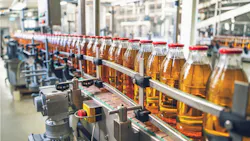
A defective part that reaches a distribution center triggers a chain reaction of reverse logistics, warehousing, labor and customer dissatisfaction—all of which can go beyond the initial cost of the part itself. Discovering that defect at the production line can change the entire outcome, and that is where AI-powered quality control can help.
The Hidden Costs of Postproduction Defects
Supply chain and procurement professionals know the material cost of scrap. The world generates over two billion metric tons of solid waste annually. The downstream costs when defective goods go past the production floor undetected are often underestimated, yet they can have significant impacts.
Wasted Logistics
Wasted logistics is the most immediate and quantifiable hit. Shipping defective products to distribution centers only to manage returns or disposal can add freight costs and administrative burden. These movements also consume resources that companies could otherwise use to generate revenue. Returns processing introduces additional complexity. Staff members need to inspect, sort, rework or discard products, often across multiple facilities, which adds to the overall overhead costs.
Wasted Storage
Warehousing defective products creates a silent drain on resources. Inventory that companies cannot sell still occupies space, representing sunk capital in labor, facilities, energy and inventory management.
For high-volume manufacturers, even small defect rates can translate into significant storage inefficiencies. Defects can reduce warehouse efficiency over time and may force organizations to expand their capacity prematurely.
Wasted Labor
Discovering defects late down the line shifts priorities from value creation to damage control. Instead of focusing on revenue, teams will need to handle manual inspections and the administrative handling of returns.
This shift increases labor costs while also reducing workforce productivity. Skilled workers spend time and energy fixing avoidable issues instead of scaling output or optimizing current processes.
Reputational Damage
Reputational risk can be challenging to quantify, but its effects are real. Faulty products reaching customers erode brand trust with buyers and distributors. Customer dissatisfaction often leads to lost future sales and negative reviews. In B2B environments where trust is critical, product defects can jeopardize contracts and supplier relationships.
The Mechanics of AI-Powered Defect Detection
AI-based quality control systems operate at a level of precision and speed that traditional inspection methods struggle to match. Many supply chain professionals recognize this value, with commercial AI use reaching 78% in 2024. Here are some of the ways AI can reduce supply chain waste through defect detection.
Computer Vision and Deep Learning
At its core, AI defect detection relies on computer vision powered by deep learning models. These systems are trained on large datasets of product images, and they learn to distinguish between acceptable variations and true defects.
On the production line, high-resolution cameras capture images of each product in real time. The AI model analyzes them instantly and flags anomalies like surface imperfections or assembly errors. While rule-based systems can perform similar tasks, deep learning models can adapt to complex patterns, allowing them to detect subtle defects that would be challenging to define manually.
Data as the Engine
The system's performance is directly proportional to the quality and volume of the training data. High-quality, labeled datasets improve model accuracy and reduce false positives.
These systems continue to learn over time. Each detected defect feeds back into the model, refining its ability to identify rare cases and anomalies. This ability creates a compounding effect where detection accuracy improves the more it is used.
Going Beyond Human Capability
Human inspectors are highly capable and detail-oriented, but fatigue can limit accuracy and visual perception. AI systems operate continuously, maintaining consistent accuracy regardless of shift length or production volume.
AI can also detect defects invisible to the human eye. It can identify microscopic cracks or color deviations before they escalate into functional failures. This capability drastically improves quality control. Aside from catching the obvious defects, manufacturers can use AI to prevent more subtle issues from entering the supply chain in the first place.
The Predictive Power of AI Defect Prevention
Another benefit of AI comes when defect detection evolves into defect prevention. By analyzing patterns across production data, AI systems support more proactive decision-making.
Root Cause Analysis
In addition to flagging defects, AI can analyze them. It can then correlate defect occurrences with machine data or environmental conditions, thereby identifying underlying causes.
For example, a spike in defects might correlate with a specific machine calibration issue or a particular supplier batch. This level of insight allows teams to address problems at the source and prevent future defects.
Predictive Maintenance
Defects can sometimes be early indicators of equipment degradation. AI models can detect patterns that signal when a machine is likely to malfunction or produce faulty products. This approach enables predictive maintenance strategies where teams can service equipment before it fails. As a result, companies experience fewer unplanned downtime events and lower defect rates.
Process Optimization
AI-driven insights can be used to fine-tune production parameters in real time. They can enable dynamic adjustments to temperature or assembly workflows to maintain optimal quality. Over time, this process leads to a more stable and efficient production process.
Quantifying the ROI of Early Defect Detection
Research shows that 70% of manufacturing CEOs have found that AI has delivered strong ROI for their operations. These returns often show up in several ways. Drastic Reduction in Returns Fewer defective products reaching customers translates directly into lower return rates, which reduces reverse logistics and overhead costs while improving customer satisfaction.
The impact can be especially significant in industries or regions with high return volumes. In the U.S., for example, 48% of consumers have returned a product they have purchased within the past year. In India, 81% of buyers have done the same.
Optimized Resource Allocation
Preventing defects early saves wasted material and energy inputs that would otherwise be used to produce faulty goods. As a result, companies achieve greater cost savings while supporting sustainability goals by increasing output with the same resources.
Improved Supplier Relationships
AI-generated insights provide objective, data-driven feedback on supplier performance. When teams find defects linked to specific material batches, they can communicate with suppliers using clear evidence. This approach fosters better collaboration and improves input quality, leading to a stronger supply chain.
From Insight to Impact
AI-driven defect detection shifts quality control from a reactive to a more preventive approach. Catching issues early reduces waste and keeps operations running efficiently. Leveraging this technology is a practical way to improve product quality, vendor relationships and customer satisfaction.
About the Author

Emily Newton
Emily Newton has eight years of creating logistics and supply chain articles under her belt. She loves helping people stay informed about industry trends. Her work in Supply Chain Connect, Global Trade Magazine and Parcel, showcases her ability to identify newsworthy stories. When Emily isn't writing, she enjoys building lego sets with her husband.